Hands kneading dough

Bread Baking for Beginners

A no-nonsense guide to your first loaf, including common failures and how to fix them before they happen.

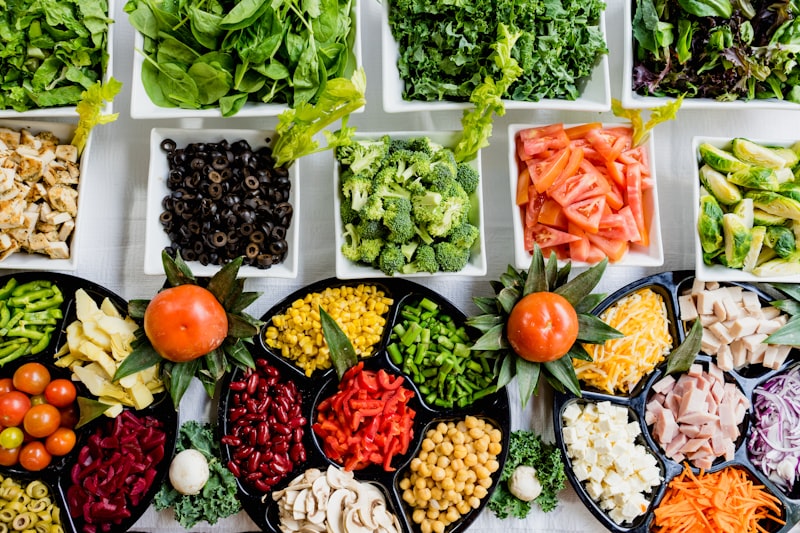
Bowls of prepared vegetables

The $60 Weekly Shop

How to plan meals, reduce waste, and make staples stretch without eating the same thing five nights in a row.

Cooking vegetables in a hot pan

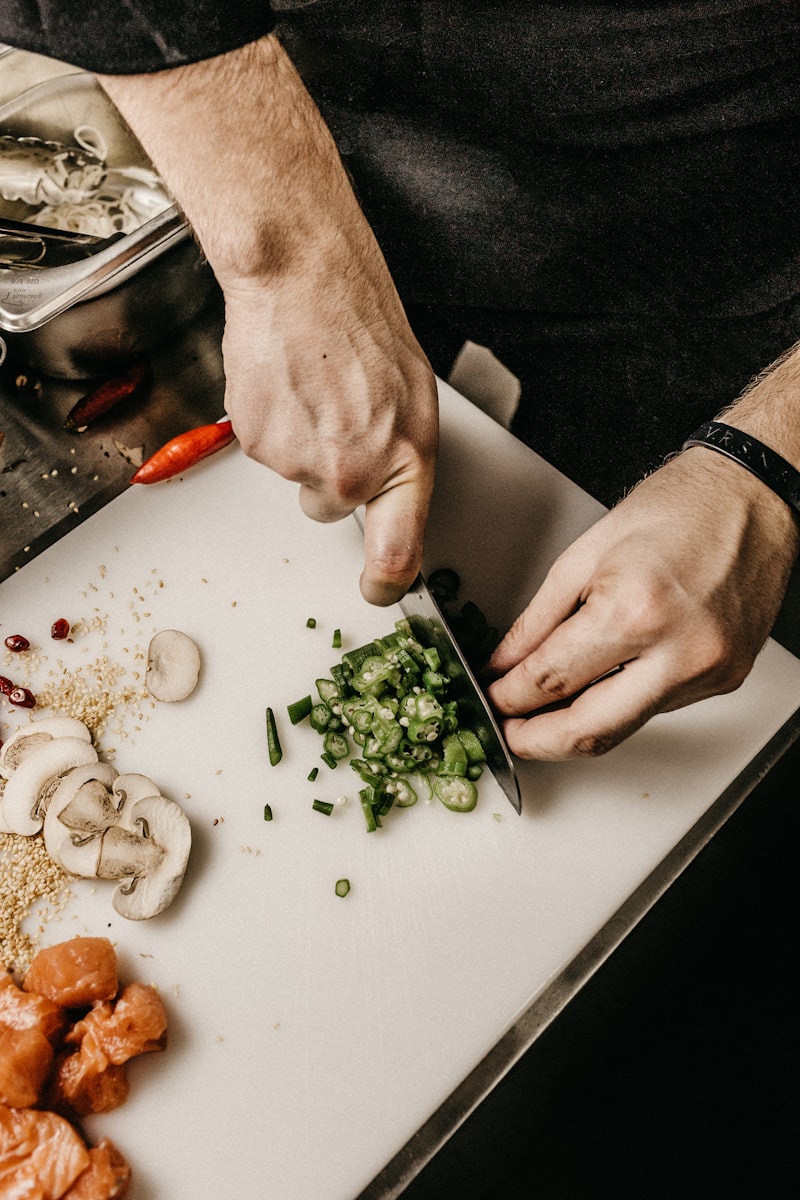
The Art of the Sauté

Controlled browning with movement. Once you understand sautéing, dozens of recipes suddenly make sense.

Perfectly cooked steak

Understanding Heat in the Kitchen

High heat, low heat, residual heat, and carryover cooking. Learn how temperature controls texture and flavour.

Aromatic curry spices

Building a Smart Spice Drawer

The 12 spices that unlock global cooking, plus how to toast, grind, and store them for maximum flavour.

Advertisement
Google AdSense placeholder — article feed

How to Read a Vegetable: Seasonality & Storage

Last updated: 12 July 2026
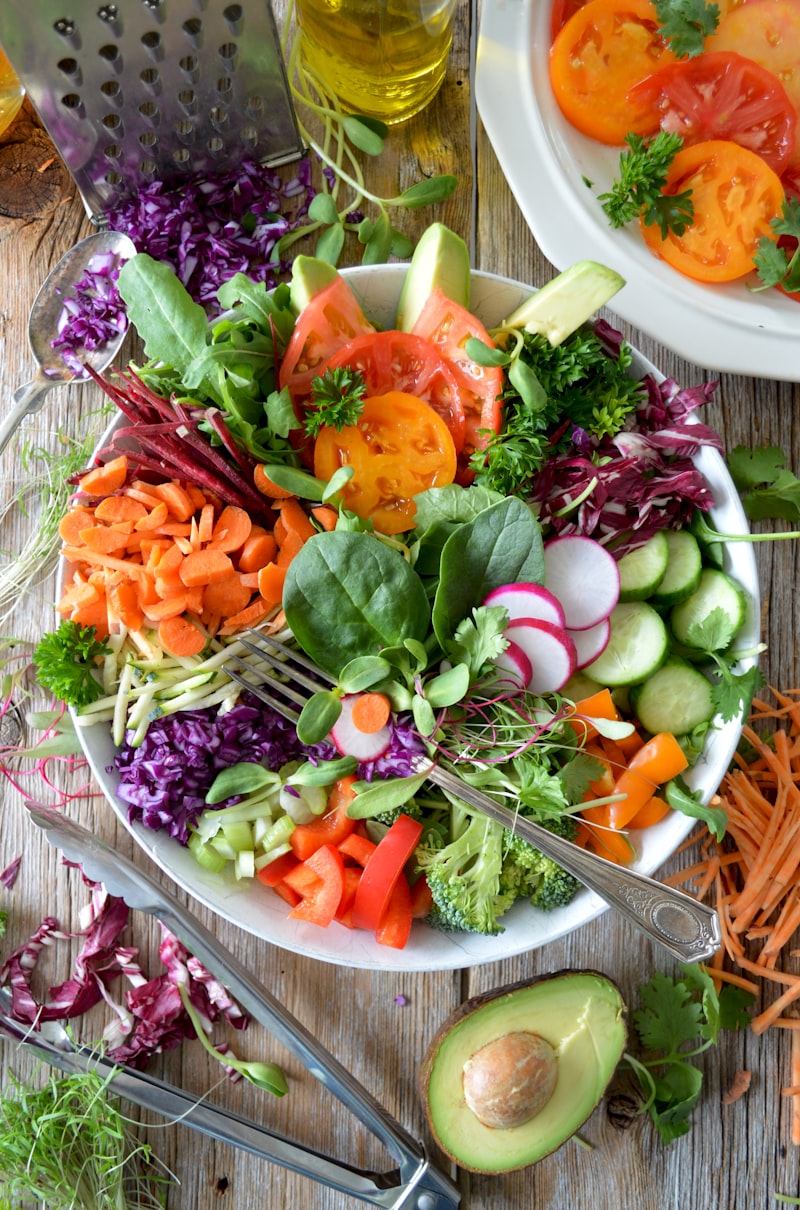
Fresh seasonal vegetables

One of the fastest ways to improve your cooking is to buy better produce. And the secret to better produce is seasonality. A tomato grown in summer and ripened in the sun tastes completely different from one grown in a hothouse in winter. Understanding this changes how you shop, plan, and cook.

Why Seasonality Matters

Seasonal produce is picked closer to ripeness, travels shorter distances, and is sold when supply is high — which usually means it is cheaper and fresher. In Australia, this means embracing mangoes in summer, Brussels sprouts in winter, and asparagus in spring.

Seasonal Shopping by State

Australia's climate varies dramatically. Queensland strawberries appear earlier than Tasmanian ones. Use seasonal produce guides from your state farmers' market association, or simply notice what is cheapest and most abundant at your local greengrocer.

Storage Rules That Actually Work

  • Leafy greens: Wash, dry thoroughly, and store in a sealed container lined with paper towel.
  • Root vegetables: Keep potatoes, onions, and garlic in a cool, dark, dry place — but not together, as onions make potatoes sprout faster.
  • Tomatoes: Never refrigerate ripe tomatoes. Cold kills their flavour and texture.
  • Herbs: Treat soft herbs like flowers in a glass of water, or wrap in damp paper towel.

Putting It Into Practice

Next time you plan a meal, start with what is in season. Build the dish around the vegetable, not the protein. A winter roast with pumpkin, fennel, and parsnip will always taste better than the same dish made with out-of-season zucchini.

The $60 Weekly Shop: Cooking on a Budget

Last updated: 12 July 2026

Prepared ingredients for budget meals

Feeding yourself well on a tight budget is not about eating less — it is about buying smart and using everything. With $60 and a little planning, you can eat varied, nourishing meals for a week in Australia.

The Budget Pantry

Start with staples that do the heavy lifting: rice, pasta, oats, tinned tomatoes, lentils, eggs, onions, garlic, and a good cooking oil. These form the base of dozens of meals and cost very little per serve.

Plan Around Protein

Meat does not need to be the centre of every plate. Use cheaper cuts like chicken thighs, mince, or tinned fish. Make at least two vegetarian dinners per week using lentils, chickpeas, or eggs. A vegetable curry with chickpeas costs under $2 per serve and is deeply satisfying.

The Waste-Free Mindset

  • Save vegetable scraps for stock.
  • Turn leftover roast vegetables into frittatas.
  • Use stale bread for croutons or breadcrumbs.
  • Freeze leftover herbs in oil or stock for future cooking.

Sample Week

With $60, a realistic week might include: lentil bolognese, fried rice with whatever vegetables you have, chickpea and spinach curry, vegetable soup with crusty bread, eggs on toast with sautéed greens, pasta with tinned tomatoes and garlic, and a simple roast chicken stretched into two meals.

Never Miss a New Article

Join our weekly newsletter for ingredient guides, technique tips, and seasonal inspiration.